Modular Datacenter: A Complete Guide to Modern Scalable Infrastructure

Introduction
A modular datacenter is transforming how organizations design, deploy, and manage IT infrastructure. As businesses demand faster deployment, scalability, and cost efficiency, traditional brick-and-mortar datacenters are often too slow and expensive to meet modern requirements. Modular datacenters offer a flexible, pre-engineered alternative that supports rapid growth, energy efficiency, and operational simplicity.
This article provides a comprehensive explanation of modular datacenters, how they work, their benefits, types, use cases, challenges, and future potential.
What Is a Modular Datacenter?
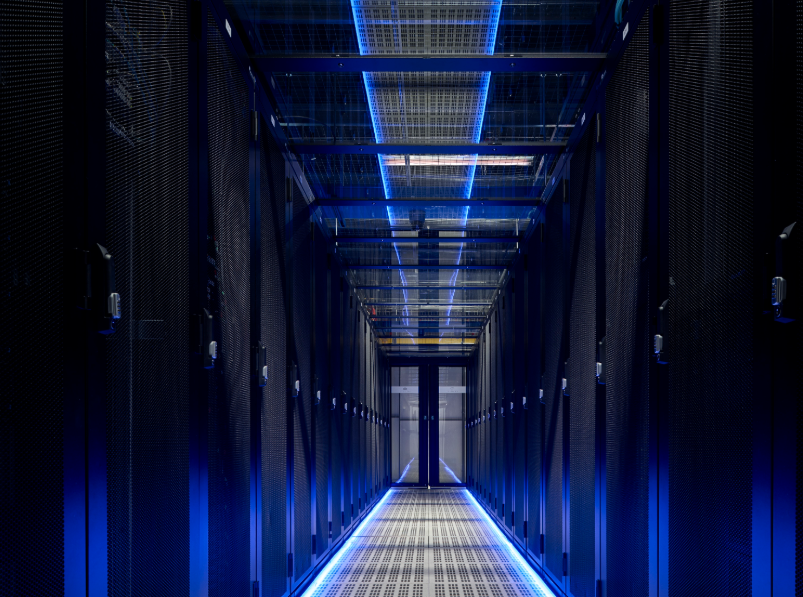
A modular datacenter is a self-contained, prefabricated computing environment that includes servers, storage, networking, cooling, power, and management systems. These components are built in standardized modules and delivered ready for deployment.
Instead of constructing a full-scale datacenter from scratch, organizations can deploy one or more modules and expand capacity as needed. Each module functions independently or as part of a larger datacenter ecosystem.
See also: How Technology Is Enabling Remote Healthcare
How Modular Datacenters Work
Modular datacenters are designed using a building-block approach. Each block or module contains specific infrastructure elements:
- IT equipment (servers, storage, networking)
- Cooling systems
- Power distribution units
- Monitoring and management software
- Physical security features
Once delivered, modules are connected to power, network, and cooling sources, making them operational in significantly less time than traditional datacenters.
Key Components of a Modular Datacenter
1. IT Modules
These house servers, storage systems, and network equipment in standardized racks.
2. Power Modules
Include uninterruptible power supplies (UPS), generators, and power distribution systems.
3. Cooling Modules
Use advanced cooling technologies such as in-row cooling, liquid cooling, or contained airflow systems.
4. Management and Monitoring
Integrated software monitors temperature, power usage, performance, and security in real time.
5. Physical Structure
Often built inside containers or prefabricated enclosures that are weather-resistant and secure.
Types of Modular Datacenters
Containerized Modular Datacenters
These are built inside shipping-container-like structures. They are portable, compact, and ideal for edge computing or remote locations.
Prefabricated Modular Datacenters
Larger modules assembled on-site using factory-built components. Suitable for enterprise-scale deployments.
Micro Modular Datacenters
Small, self-contained units designed for edge environments such as factories, hospitals, or retail locations.
Benefits of Modular Datacenters
Rapid Deployment
Traditional datacenters can take years to build, while modular datacenters can be deployed in weeks or even days.
Scalability
Organizations can start small and add modules as demand grows, avoiding over-provisioning.
Cost Efficiency
Lower construction costs, reduced labor, and optimized energy usage result in better return on investment.
Energy Efficiency
Factory-designed cooling and airflow systems improve power usage effectiveness and reduce environmental impact.
Standardization
Consistent design improves reliability, maintenance, and operational predictability.
Flexibility
Modules can be relocated, upgraded, or reconfigured as business needs change.
Use Cases of Modular Datacenters
Enterprise IT Expansion
Businesses experiencing rapid growth can scale infrastructure without disrupting operations.
Edge Computing
Modular datacenters support low-latency computing closer to users and data sources.
Disaster Recovery
They provide quick deployment for backup and recovery operations in emergency situations.
Remote and Harsh Environments
Ideal for mining sites, oil fields, military installations, and rural areas.
Temporary or Seasonal Workloads
Used for events, research projects, or short-term computing needs.
Modular Datacenter vs Traditional Datacenter
| Feature | Modular Datacenter | Traditional Datacenter |
| Deployment Time | Very fast | Slow |
| Scalability | High | Limited |
| Initial Cost | Lower | Higher |
| Flexibility | High | Low |
| Energy Efficiency | Optimized | Varies |
| Portability | Possible | Fixed |
Challenges and Limitations
Initial Planning Complexity
Improper sizing or module selection can limit future expansion.
Customization Limits
Standardized designs may not meet highly specialized requirements.
Space Constraints
Some modular units may have physical limitations compared to large facilities.
Integration
Ensuring compatibility with existing IT infrastructure requires careful planning.
Security in Modular Datacenters
Modular datacenters include multiple layers of security:
- Physical access controls
- Surveillance systems
- Environmental monitoring
- Network security integration
Because modules are self-contained, security risks are often easier to manage and isolate.
The Future of Modular Datacenters
As cloud computing, artificial intelligence, and edge computing continue to grow, modular datacenters will play a crucial role in digital infrastructure. Innovations in cooling, automation, and sustainable energy integration will further enhance their efficiency and adoption.
Organizations seeking agility, speed, and resilience are increasingly turning to modular datacenters as a long-term strategy rather than a temporary solution.
FAQs About Modular Datacenters
What industries use modular datacenters?
Industries include IT services, healthcare, finance, manufacturing, telecommunications, government, and energy.
Are modular datacenters reliable?
Yes, they are factory-tested and built with redundancy, often matching or exceeding traditional datacenter reliability.
Can modular datacenters support cloud and AI workloads?
Absolutely. They are well-suited for high-density computing, AI processing, and hybrid cloud environments.
How long does it take to deploy a modular datacenter?
Deployment typically ranges from a few weeks to a few months, depending on size and complexity.
Are modular datacenters environmentally friendly?
Yes, they use optimized cooling and power systems, resulting in lower energy consumption and carbon footprint.
Can modular datacenters be expanded later?
Yes, scalability is one of their biggest advantages. Additional modules can be added as needed.
Conclusion
A modular datacenter is a powerful solution for modern IT infrastructure challenges. By combining speed, scalability, efficiency, and flexibility, it offers a practical alternative to traditional datacenter construction. Whether supporting enterprise growth, edge computing, or mission-critical operations, modular datacenters provide a future-ready foundation that adapts to evolving business and technology demands.