Ensuring Workplace Safety: Effective Strategies for Fall Protection

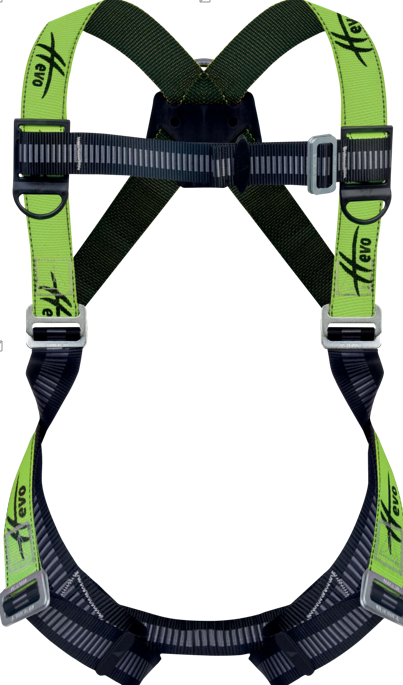
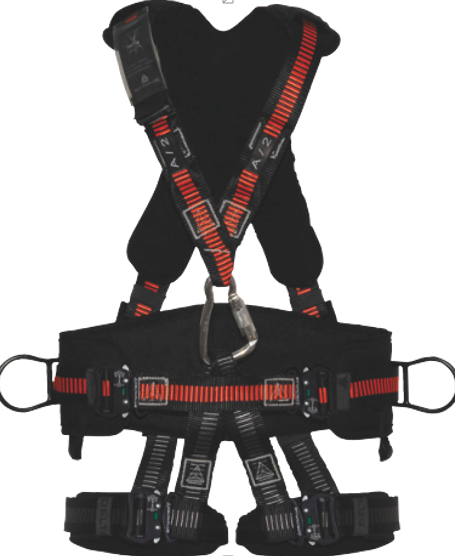
Workplace safety is critical in industries with height-related risks. Proper fall protection, training, and equipment usage can significantly reduce accidents. Understanding and implementing safety protocols ensures a secure working environment for all employees. In environments where working at heights is common, ensuring personal safety is crucial. One of the most effective ways to protect employees from falls is using a safety harness.
This equipment acts as a reliable safeguard, preventing serious injuries and fatalities while allowing workers to perform their tasks efficiently. Beyond just equipment, proper training and awareness of safety protocols contribute significantly to creating a secure workplace. Safety should always remain a priority.
Understanding the Importance of Fall Protection
Falls from heights are one of the leading causes of workplace injuries. Industries such as construction, maintenance, and warehousing often expose employees to elevated risks. Effective fall protection strategies help mitigate these risks and ensure compliance with safety regulations. Here’s why prioritizing safety is essential:
- Reduced Risk of Injury: Implementing protective measures minimizes the chances of serious accidents.
- Regulatory Compliance: Adhering to safety guidelines ensures companies meet legal requirements.
- Enhanced Employee Confidence: Workers feel more secure, leading to increased productivity and morale.
- Cost Savings: Preventing accidents reduces medical expenses, compensation claims, and downtime.
Components of a Comprehensive Safety Program
To ensure complete protection, companies need to adopt a multi-faceted approach. A well-structured safety program focuses on training, equipment, and continuous evaluation.
- Training and Awareness: Regular training sessions educate employees about proper techniques, emergency procedures, and potential hazards.
- Inspection and Maintenance: Frequent equipment checks ensure that all protective gear, including harnesses, remains in optimal condition.
- Clear Safety Protocols: Establishing clear guidelines for working at heights reduces confusion and encourages adherence to safety measures.
- Emergency Preparedness: Preparedness for potential accidents, such as fall rescue plans, ensures timely responses and minimizes injuries.
Choosing the Right Equipment
Selecting the appropriate fall protection equipment is crucial. Different tasks and heights may require varying types of harnesses, lanyards, and anchor points. Companies should consider the following factors:
- Type of Work: Tasks requiring flexibility or extended mobility may need specialized harness designs.
- Weight Capacity: Ensure harnesses can safely support the worker’s weight along with tools or gear.
- Comfort and Fit: Properly fitted harnesses reduce discomfort and prevent restrictions in movement.
- Durability and Material: High-quality materials provide long-lasting protection, even in harsh working conditions.
When used correctly, the safety harness is the central component that links all other fall protection measures, ensuring maximum safety.
See also: How Technology Is Enabling Remote Healthcare
Proper Usage Techniques
Even the best equipment is ineffective without correct usage. Employees must be trained to wear harnesses properly and understand their functional limitations. Some key practices include:
- Correct Adjustment: Straps should be snug without being restrictive. Incorrect adjustments reduce the effectiveness of the harness.
- Attachment Points: Ensure the harness is securely connected to anchor points capable of supporting potential loads.
- Pre-Use Inspections: Always check for wear and tear, loose stitching, or damaged buckles before starting work.
- Follow Manufacturer Guidelines: Adhering to manufacturer instructions ensures optimal safety and prolongs equipment life.
Integrating Technology for Enhanced Safety
Modern advancements have introduced technology-driven solutions to enhance fall protection. These innovations complement traditional safety measures, making workplaces safer.
- Fall Detection Sensors: These devices alert supervisors when a worker experiences a sudden fall.
- Smart Harnesses: Some harnesses are equipped with sensors that monitor position, weight distribution, and stress on straps.
- Training Simulators: Virtual reality and simulation tools provide hands-on training without exposing workers to real danger.
Integrating technology not only improves safety outcomes but also helps companies monitor compliance and maintain records efficiently.
Common Mistakes to Avoid
Even with safety measures in place, mistakes can compromise protection. Identifying and avoiding these errors is essential:
- Skipping Training: Underestimating the importance of regular training increases accident risks.
- Neglecting Inspections: Damaged or worn-out equipment can fail unexpectedly.
- Improper Anchoring: Using unstable or incorrect anchor points defeats the purpose of fall protection.
- Overloading Equipment: Exceeding the recommended weight capacity can lead to equipment failure.
Preventive measures and vigilance are key to ensuring the safety harness and other protective equipment function as intended.
Workplace Culture and Safety
Creating a safety-focused culture is as important as the equipment itself. Employees are more likely to follow safety protocols if they feel supported and responsible for each other’s well-being.
- Leadership Commitment: Supervisors must lead by example, consistently following safety protocols.
- Open Communication: Encourage employees to report hazards or near misses without fear of repercussions.
- Regular Safety Audits: Continuous monitoring and feedback help identify gaps and improve practices.
- Reward Safe Practices: Recognizing employees who prioritize safety fosters positive behavior and accountability.
Legal and Regulatory Considerations
Compliance with local and international safety standards is non-negotiable. Companies must ensure that all fall protection measures meet or exceed legal requirements.
- Occupational Safety Laws: Familiarity with workplace safety regulations ensures proper implementation of protective measures.
- Industry Standards: Adhering to standards like OSHA or ISO for fall protection ensures equipment reliability and safety protocol accuracy.
- Documentation: Maintaining records of inspections, training, and incident reports is critical for compliance and accountability.
Understanding legal requirements helps organizations avoid penalties while prioritizing employee safety.
Conclusion
Investing in effective fall protection strategies significantly reduces workplace accidents. A combination of proper equipment, training, inspection, and safety culture ensures employees can work confidently at heights. The safety harness plays a pivotal role in this system, providing reliable protection when used correctly. Ensuring a safe work environment requires continuous attention to detail and commitment from everyone involved. Regular monitoring, clear communication, and proactive measures help prevent accidents and create a culture of responsibility.
By fostering awareness and encouraging best practices, organizations can protect employees effectively while maintaining productivity, confidence, and long-term operational efficiency across all workplace activities. By adopting comprehensive safety programs and integrating modern technology, organizations can enhance worker safety while maintaining productivity. Remember, regular evaluation and continuous improvement are key to long-term success in fall protection. For companies seeking reliable safety solutions, Delta Plus offers high-quality equipment designed for maximum protection and comfort. Choosing trusted brands ensures safety is never compromised.