
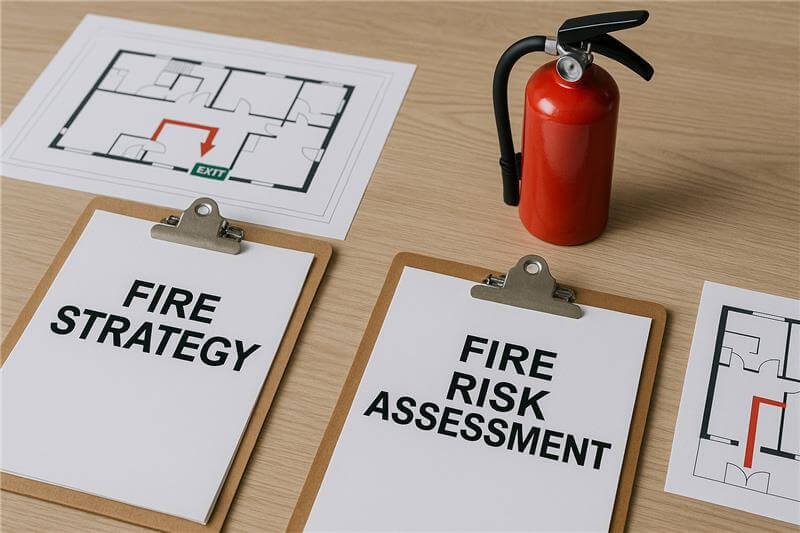
Fire Risk Assessment vs Fire Safety Audit: Key Differences

Fire safety management involves several processes designed to reduce the risk of fire and protect people and property. Two terms that are often confused are fire risk assessment and fire safety audit. While both play important roles in maintaining fire safety, they serve different purposes and are carried out in different ways. Understanding the key differences between a fire risk assessment and a fire safety audit helps organizations apply the right approach at the right time.
What Is a Fire Risk Assessment?
A fire risk assessment is a systematic process used to identify fire hazards, evaluate the risks they pose, and determine appropriate control measures. Its primary focus is prevention and risk reduction. The assessment examines how a fire could start, how it could spread, and who may be affected if it occurs.
Fire risk assessments are typically a legal requirement in many jurisdictions for workplaces, commercial buildings, and shared residential properties. They are usually carried out by a competent person who understands fire safety principles and the specific risks associated with the premises.
The outcome of a fire risk assessment is a clear action plan that outlines measures needed to reduce risks, improve fire safety systems, and ensure safe evacuation.
What Is a Fire Safety Audit?
A fire safety audit is a structured review of existing fire safety arrangements to determine whether they comply with legal requirements, standards, and best practices. Unlike a fire risk assessment, which focuses on identifying and managing risks, a fire safety audit evaluates how well fire safety systems and procedures are being implemented and maintained.
Fire safety audits often involve reviewing documentation, inspecting fire safety equipment, checking maintenance records, and assessing staff training and emergency planning. Audits are commonly conducted by internal safety teams or external inspectors and may be scheduled periodically.
The purpose of a fire safety audit is to verify compliance, identify gaps, and ensure that fire safety measures are functioning as intended.
Key Differences in Purpose and Focus
The primary difference between a fire risk assessment and a fire safety audit lies in their purpose. A fire risk assessment focuses on identifying potential fire hazards and reducing risks before an incident occurs. It is proactive and preventive in nature.
In contrast, a fire safety audit focuses on compliance and performance. It assesses whether fire safety systems, procedures, and management practices meet legal and organizational standards.
See also: Inside a Modern Pet Surgery Clinic: What Every Pet Parent Should Know
Differences in Timing and Frequency
Fire risk assessments are required to be carried out before premises are occupied and reviewed regularly or when significant changes occur. They are ongoing processes that evolve as risks change.
Fire safety audits are usually conducted at set intervals, such as annually or biannually. They may also be carried out following incidents, enforcement actions, or changes in regulations.
Differences in Scope and Content
A fire risk assessment examines hazards, people at risk, fire prevention measures, and evacuation arrangements. It aims to identify what could go wrong and how to prevent it.
A fire safety audit, on the other hand, examines policies, procedures, records, training, and maintenance. It assesses whether the fire risk assessment has been implemented effectively and whether fire safety systems are properly managed.
Who Conducts Each Process?
Fire risk assessments are often carried out by a designated responsible person or a competent fire safety professional. Smaller premises may use trained internal staff, while higher-risk buildings often require external specialists.
Fire safety audits are commonly conducted by independent auditors, internal compliance teams, or regulatory authorities. Independence is important to ensure objective evaluation.
How Fire Risk Assessments and Audits Work Together
Fire risk assessments and fire safety audits are not alternatives; they are complementary processes. The fire risk assessment identifies risks and defines required control measures, while the fire safety audit checks whether those measures are in place and working effectively.
Using both processes together ensures a comprehensive approach to fire safety management and continuous improvement.
Conclusion
Fire risk assessments and fire safety audits serve different but equally important roles in fire safety management. A fire risk assessment focuses on identifying hazards and reducing risks, while a fire safety audit evaluates compliance and effectiveness. Understanding their key differences helps organizations apply the right tools to maintain safe, compliant, and well-managed premises.